
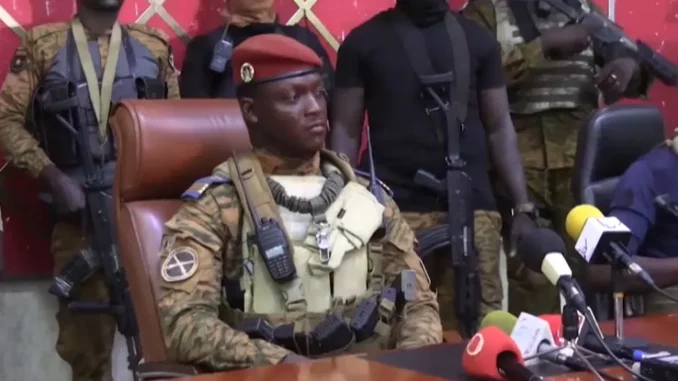
Three years after Captain Ibrahim Traoré seized power in a coup d’état on September 30, 2022, Burkina Faso continues to grapple with relentless terrorist violence.
Traoré initially justified the coup by criticising the previous authorities’ failure to restore security and pledged to resolve the crisis within months.
However, despite significant investments in equipping the Army and expanding the ranks of soldiers and Volunteers for the Defence of the Homeland, the security situation remains largely unchanged.
Anticipating criticism, the Army General Staff issued a rare statement on September 26 warning against “false rumours” aimed at undermining military cohesion, while on September 28, Traoré defended his record, citing a lack of resources when he took power.
According to data from the NGO Acled, the number of terrorist attacks in 2024 and 2023 mirrors those of previous years, with a sharp rise in casualties — from over 6,500 to nearly 16,000 deaths — making Burkina Faso the country most affected by terrorism globally over the past two years.
Human rights groups, including the Burkinabe Movement for Human and Peoples’ Rights (MBDHP), report continued restrictions on individual, political, and press freedoms, with many citizens detained under unclear circumstances.
The persistence of violence and erosion of civil liberties have raised serious questions about the government’s ability to deliver on its early promises of stability and security.