
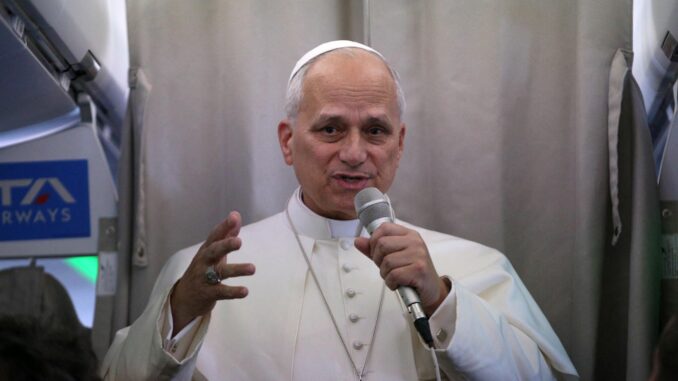
Pope Leo XIV has embarked on a 10-day African tour from April 13 to 23, 2026, in a high-profile pastoral and diplomatic mission aimed at drawing global attention to Africa’s social, economic, and spiritual needs.
The pontiff’s itinerary covers four countries—Algeria, Cameroon, Angola, and Equatorial Guinea—across 11 to 12 cities, with an extensive programme of about 25 speeches and multiple official engagements. The journey spans nearly 18,000 kilometres and 18 flights, making it one of the most logistically complex papal visits in recent years.
Central to the mission is the Vatican’s call to “turn the world’s attention to Africa,” where more than 20% of the global Catholic population resides, with the Church experiencing its fastest growth on the continent.
In Algeria, the Pope is expected to promote Catholic–Muslim dialogue, meet political leaders, and visit the Great Mosque of Algiers as well as the ancient site of Hippo in Annaba, reflecting his Augustinian heritage.
The wider tour also carries a strong socio-political dimension, with planned discussions on peacebuilding, governance, natural resource exploitation, and interfaith relations, particularly in regions affected by conflict and instability.
Observers note that the visit underscores both Africa’s rising importance within global Catholicism and the Vatican’s intent to elevate the continent’s voice in global discourse on development and peace.
In essence, the journey is framed not merely as a pastoral pilgrimage, but as a strategic engagement—where faith, diplomacy, and global attention converge on a continent seeking both recognition and renewal.