
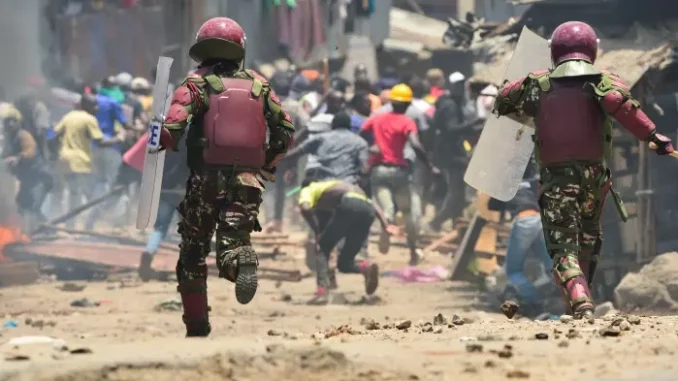
The death toll from Kenya’s most recent anti-Government protests on July 7 has risen to 31, making it the deadliest day since demonstrations began earlier in the year, the country’s Human Rights Commission revealed on Tuesday, July 8.
Over 100 individuals were injured and more than 500 arrested, following violent clashes between protestors and security Forces. The unrest coincided with the 35th anniversary of the historic Saba Saba pro-democracy protests, amplifying public outrage over State corruption, Police brutality, and the rising cost of living under President William Ruto’s Administration. The President has yet to publicly address the latest casualties.
Tensions were further inflamed by the recent death of a blogger in police custody and the shooting of a protester in June, fuelling widespread anger among Kenya’s youth. The United Nations has called for calm, restraint, and respect for civil liberties, while the Kenya National Cohesion and Integration Commission condemned the excessive use of force by security agencies. Authorities had imposed roadblocks and tightened security, but demonstrators still converged in large numbers across the country, invoking the spirit of *Saba Saba* to demand political accountability and reform.
Economic grievances have deepened discontent, particularly following Ruto’s attempts to introduce unpopular tax measures to manage national debt. Business owners, such as mobile phone vendor Nancy Gicharu, reported significant losses due to looting and destruction during the protests. Meanwhile, a controversial directive by Interior Minister Kipchumba Murkomen, encouraging police to use lethal force against protesters approaching stations, has drawn criticism and stoked fears of escalating violence. As public trust erodes, Kenya stands at a volatile crossroads, echoing the democratic battles of its past.