
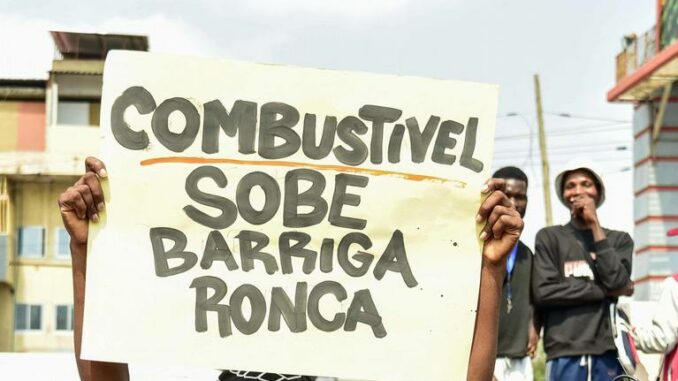
At least 22 people, including a police officer, have been confirmed dead and over 200 injured in Angola’s most widespread protests in recent years, sparked by a sharp increase in fuel prices.
The demonstrations began as a taxi drivers’ strike but rapidly escalated into violent unrest across major cities including Luanda, Huambo, Benguela, and Huíla. More than 1,200 arrests have been made, while emergency services in the capital are reportedly overwhelmed. Medical personnel say the real death toll may be higher, with patients suffering from severe injuries and trauma.
Government officials, including Interior Minister Manuel Homem, have characterised the protests as acts of vandalism and blamed criminal infiltrators for intensifying the violence. President João Lourenço has maintained that the subsidy removal is necessary and accused protestors of exploiting the situation to destabilise the country. In response to the unrest, major businesses have shut down, infrastructure has been damaged, and international flights and consular operations have been disrupted due to security concerns.
The rise in diesel prices—by over 33%—has severely impacted daily life, increasing transport fares and food prices in a nation already grappling with economic hardship. The opposition coalition, the Patriotic United Front (FPU), expressed solidarity with citizens affected by the crisis, while also condemning the destruction of property. As military and police presence intensifies, the situation remains volatile, with long queues at fuel stations and growing fears of further instability in the oil-rich but economically strained nation.