
The World Health Organization (WHO) has officially declared Kenya free of sleeping sickness, a fatal parasitic disease transmitted by the tsetse fly.
This milestone makes Kenya the 10th African country to eliminate the illness as a public health threat, following decades of surveillance, treatment, and investment in healthcare systems. WHO Director-General Tedros Adhanom Ghebreyesus hailed the achievement as a critical step towards eradicating neglected tropical diseases across the continent, praising Kenya’s government and communities for their resilience.
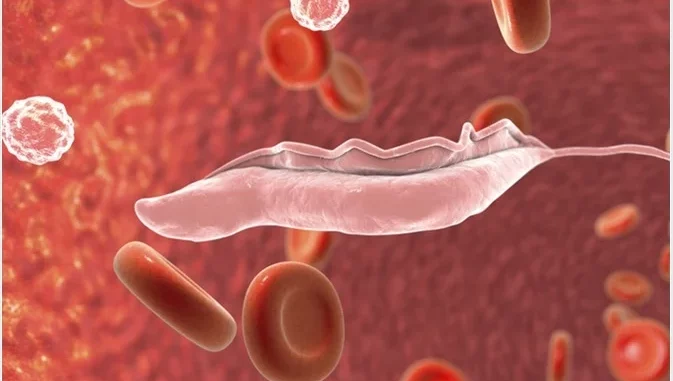
Sleeping sickness, or human African trypanosomiasis, has long haunted rural populations who depend on farming, fishing, hunting, or livestock. The disease, caused by the parasite *Trypanosoma brucei*, devastates the nervous system, leading to confusion, poor coordination, and disrupted sleep cycles, often proving fatal without treatment. Once a widespread scourge, the illness caused nearly 40,000 reported cases annually in the late 1990s. However, through global partnerships, improved diagnostics, safer therapies, and localised surveillance, cases have fallen dramatically to under 1,000 across Africa each year since 2018.
Kenya joins Benin, Chad, Equatorial Guinea, Ghana, Guinea, Côte d’Ivoire, Rwanda, Togo, and Uganda in achieving elimination status, contributing to the WHO’s goal of ridding the continent of sleeping sickness by 2030. Health Secretary Dr Aden Duale described the validation as a turning point for Kenya, noting that beyond protecting citizens, the elimination of the disease would also foster renewed economic stability and prosperity. Experts emphasise that while some African nations remain vulnerable, Kenya’s progress signals a broader continental shift towards defeating one of history’s deadliest tropical diseases.