
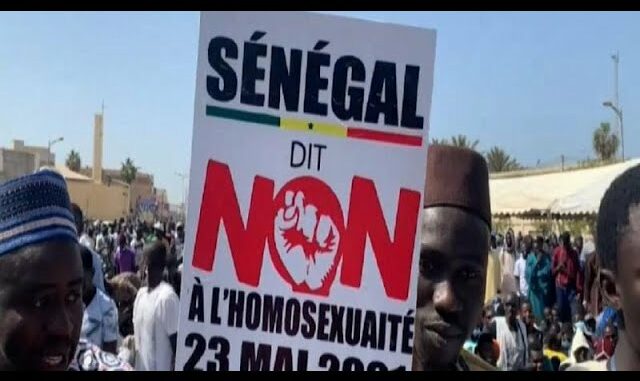
Across Africa in 2024, LGBTQ+ rights became a flashpoint in electoral politics, with candidates in several countries using anti-LGBTQ+ rhetoric to rally conservative support and deflect attention from deeper governance issues.
A report by Outright International reveals that in at least 51 countries globally — including many in Africa — politicians framed LGBTQ+ identities as threats to “traditional values” or foreign imports aimed at destabilizing local cultures. In Ghana, where homosexuality remains criminalized under colonial-era law, both major political parties campaigned on promises to uphold “family values,” each accusing the other of being too lenient on LGBTQ+ issues. Similar strategies were echoed in other African nations, reinforcing what Outright International’s Director, Alberto de Belaúnde, calls a “global, coordinated and increasingly well-funded effort to diminish LGBTIQ people.”
However, 2024 also marked a historic turning point for queer political visibility on the continent. Botswana and Namibia saw their first openly LGBTQ+ candidates run for office — a symbolic milestone despite their electoral losses. These candidacies signal growing resistance and representation, even in regions where legal and social risks remain high. There is a growing “weaponization of hate,” said de Belaúnde, warning that LGBTQ+ scapegoating often accompanies democratic backsliding. Yet, African queer communities are not passive. As seen in countries like Botswana and Nigeria, activists continue to organize, educate, and challenge state-sponsored discrimination, reinforcing that LGBTQ+ liberation is intertwined with the continent’s broader democratic and human rights struggle.