
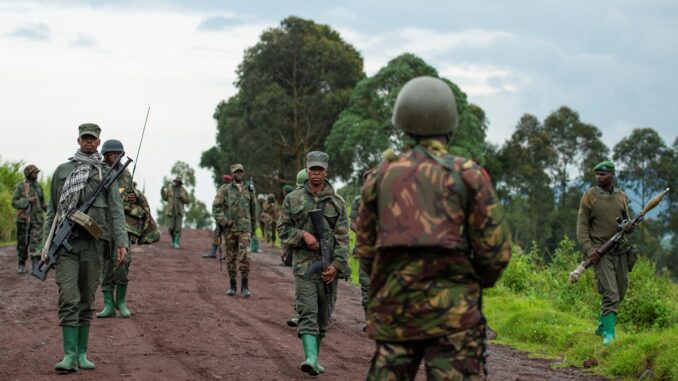
Armed confrontations intensified across South Kivu on Wednesday, 3 December, casting a long shadow over the anticipated peace accord to be signed in Washington between Presidents Félix Tshisekedi and Paul Kagame.
Hostilities were reported in Uvira, Walungu and Kabare, involving AFC/M23 fighters, the Congolese army, local Wazalendo militias and, in some instances, Burundian forces. The fiercest engagements unfolded between Kamanyola and Katogota—areas long dominated by AFC/M23—where their push towards Uvira is being held in check by FARDC and Wazalendo positions anchored around the strategic town of Luvungi. A ten-kilometre corridor has become the epicentre of ground combat, prompting thousands to flee; many residents have crossed into Rwanda seeking refuge.
Simultaneous clashes in the Kaziba chiefdom of Walungu and inside Kahuzi-Biega National Park further illustrate the breadth of the escalation. Witness accounts suggest AFC/M23 manoeuvres to outflank FARDC strongholds, raising the stakes in a region already fatigued by insecurity.
Initial tallies report at least 23 civilian deaths, underscoring the human cost of a conflict re-erupting at the very moment diplomatic actors attempt to craft a pathway to peace. This renewed turbulence, unfolding on the eve of high-level negotiations, paints a sobering tableau—one that demands urgent, coordinated interventions to stem the cycle of violence and re-establish conditions for meaningful dialogue.