
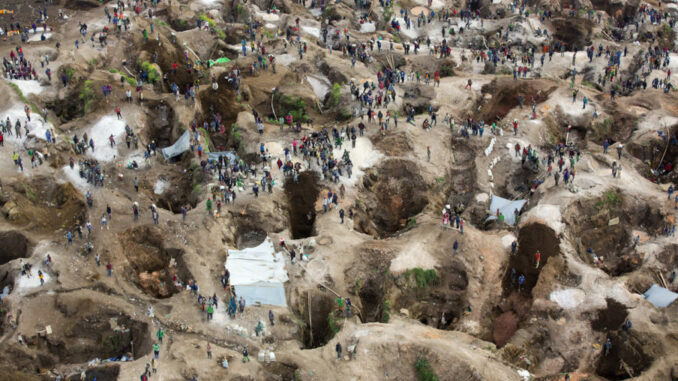
At least 200 people have been killed after a landslide collapsed several artisanal mines at the Rubaya coltan mining site in eastern Democratic Republic of Congo, rebel authorities announced over the week-end. The incident occurred on Wednesday and was triggered by heavy rains, officials said.
The mines are located in North Kivu province and are controlled by the M23 rebel group, which seized Rubaya in May 2024. Lumumba Kambere Muyisa, spokesperson for the rebel-appointed provincial governor, said many bodies remain buried in mud, while several injured miners were taken to health
facilities in Rubaya, with others transferred to Goma, about 50 kilometres away.
In response, the rebel administration has temporarily suspended artisanal mining at the site and ordered the relocation of residents who had built shelters close to the mines. The Congolese government, in a statement posted on X, expressed solidarity with the victims’ families and accused the
M23 rebels of illegal and unsafe exploitation of the country’s mineral resources.
A former miner described the Rubaya tunnels as poorly constructed, hand-dug and unsafe, noting that multiple collapses have occurred in the past due to the lack of regulation and safety measures. Rubaya lies in a mineral-rich but conflict-ravaged region of eastern Congo, where decades of fighting involving
armed groups, including the Rwanda-backed M23, have fuelled one of the world’s worst humanitarian
crises.
More than 7 million people are displaced nationwide, with over 300,000 forced from their homes since December.
Congo is a major global supplier of coltan, a key source of tantalum used in smartphones, computers and aircraft engines. The country accounted for about 40% of global coltan production in 2023, with Rubaya alone supplying more than 15% of the world’s tantalum.
An UN report estimates that M23 has earned at least $800,000 a month by taxing coltan trade and transport since taking control of the area. Despite a US-brokered agreement between Congo and Rwanda and ongoing negotiations with rebels, fighting continues across eastern Congo, compounding insecurity and civilian suffering.