
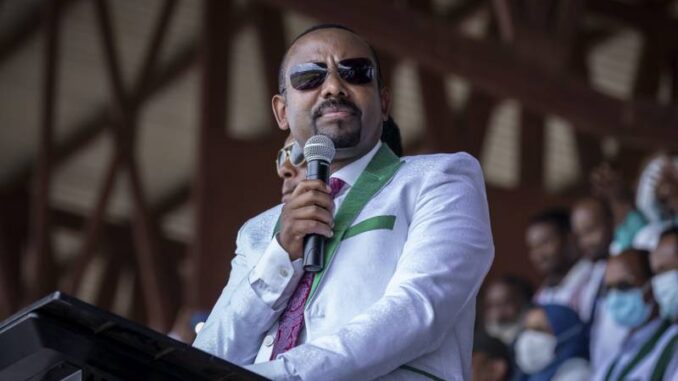
Ethiopians headed to the polls on Monday, June 1, 2026, to elect members of the House of Representatives in a vote expected to secure another five-year term for Prime Minister Abiy Ahmed and his ruling Prosperity Party.
About 50 million voters from a population over 130 million were eligible to cast ballots for lawmakers, who will later elect the country’s Prime minister. Voters were also choosing representatives for regional councils.
The election is taking place against a backdrop of efforts towards national reconciliation following conflicts in Tigray, Oromia and Amhara, alongside government promises of major development projects. The ruling Prosperity Party currently holds more than 500 parliamentary seats and is widely expected to retain its majority.
A 73-member African Union observer mission, led by former Kenyan President Uhuru Kenyatta, arrived in Ethiopia on Saturday, May 30, 2026, to monitor the polls. Kenyatta called for a peaceful electoral process, noting Ethiopia’s significance as host of the African Union headquarters.
The vote comes amid lingering tensions following the November 2022 peace agreement that ended the Tigray war, a conflict that claimed hundreds of thousands of lives. Concerns remain over strained relations between Ethiopia and Eritrea and fears of renewed instability in the Tigray region.
For a second consecutive national election, the Tigray region is not participating, leaving it without federal representation for six years. The Tigray People’s Liberation Front remains at odds with the federal government despite the 2022 peace deal.
Political analyst Bayu Samuel said technological improvements in the electoral process and greater public awareness could contribute to a credible election. Meanwhile, opposition party Ezema said it remains committed to ending ethnic-based politics.
Although campaigning was relatively subdued, authorities declared June 1, 2026, a national holiday and closed government offices to encourage voter participation.