
The African Development Bank (AfDB) has called for targeted policy and fiscal reforms to strengthen Africa’s food systems against increasing global disruptions.
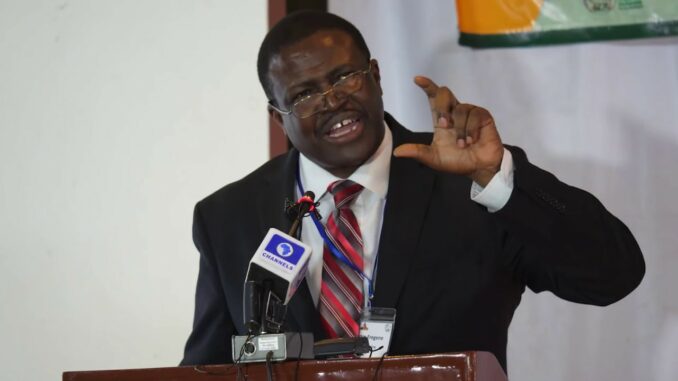
Speaking at a virtual forum on Tuesday, September 15, 2026, Martin Fregene, Officer-in-Charge of the AfDB’s Vice Presidency for Agriculture, Human and Social Development, said pandemics, conflicts and geopolitical tensions had significantly disrupted food supplies across the continent.
He said African countries should prioritise domestic financing, rapid adoption of technology, community-led climate initiatives and stronger market linkages to build resilient agricultural systems. “Our food systems are always on the receiving end of global shocks, including COVID-19 and conflicts that have disrupted supplies of
and other farm inputs,” Fregene said.
He noted that armed conflicts, climate-related shocks, market volatility and protectionist trade policies had disrupted global supply chains, increasing the risks of hunger, malnutrition and poverty in African communities.
Fregene called for greater investment in modern post-harvest technologies, agricultural extension services and stronger national and regional supply chains to improve connections between farmers and markets.
He also urged governments to provide incentives for local fertiliser manufacturers to reduce Africa’s reliance on imports while strengthening institutions and expanding access to financing for smallholder farmers.
According to him, governments and industry partners should also invest in continent-wide anticipatory measures and reliable data systems to improve preparedness for climate shocks that threaten agricultural production.
Debisi Araba, Managing Director of AKADEMIYA2063, said Africa’s efforts to achieve food and nutritional security were being undermined by high fuel and fertiliser costs as well as declining household incomes.
Araba called for faster implementation of continental agreements designed to revitalise African agriculture through harmonised policies, sustained investment and capacity-building for smallholder farmers.
The September 15, 2026 webinar brought together policymakers, academics, regional leaders, civil society representatives and donor agencies to discuss strategies for protecting Africa’s food systems from global disruptions.