
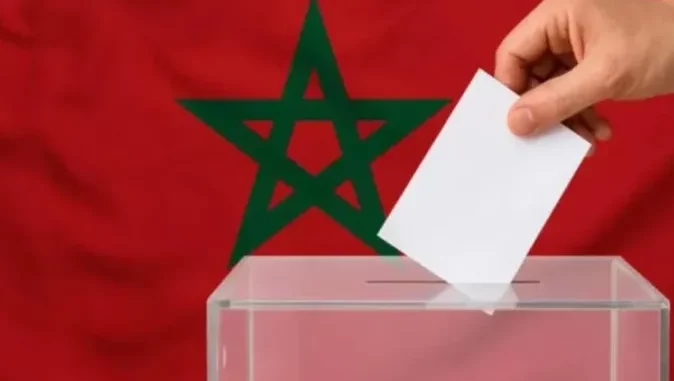
Moroccans are heading to the polls this Wednesday to elect a new Parliament, with voting opening across some 42,000 polling stations nationwide in a contest described as tightly disputed among the country’s major parties. Roughly 15.8 million registered voters are called to the polls, with the campaign marked by sharp debate over party platforms alongside more populist and sometimes personal attacks between candidates.
Parties concentrated much of their campaign effort on small constituencies electing two or three seats, often decisive in determining overall results. This marks the second election, after 2021, held under Morocco’s revised electoral quotient, which is calculated based on the number of registered voters rather than the number of actual voters — a system that tends to dilute results and favor smaller parties.
Turnout remains one of the election’s major uncertainties. In 2021, roughly 8.9 million people voted out of nearly 18 million registered, a participation rate of about 50%, though electoral rolls have since been cleaned of duplicate and deceased entries, bringing the 2026 list to 15.8 million voters as of July 10. The 2021 vote was also held alongside simultaneous local and regional elections, which analysts say typically boosts turnout by around ten percentage points compared with a standalone national vote.
Adjusting for the smaller, cleaned voter rolls and the absence of simultaneous local elections this year, some local media estimate turnout is likely to fall somewhere between 40% and 45%.
The vote is taking place amid significant social pressure over purchasing power, inequality, healthcare, social coverage and education, with campaign promises having raised substantial public expectations regardless of which parties ultimately form the next government.