
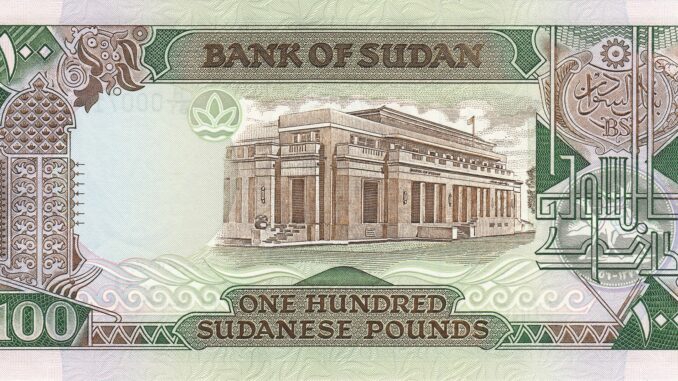
Long fuel queues returned to Khartoum and several Sudanese states on Tuesday, September 29, 2026, as the country’s currency weakened beyond 8,000 pounds to the US dollar on the parallel market.
The depreciation has driven up transport, food and utility costs, adding pressure on households and businesses already facing import difficulties and dwindling foreign currency reserves.
Petrol sold for about 37,000 Sudanese pounds per gallon at service stations, compared with 60,000 pounds on the black market. Diesel prices reached between 56,000 and 70,000 pounds on the informal market.
Motorists reported waiting hours for fuel, disrupting commercial operations and public transport. “I work one day, and the next day I queue for fuel,” said Khartoum taxi driver Abdallah al-Tom, who reported waiting more than eight hours. The cabinet, chaired by Prime Minister Kamil Idris, met on Tuesday to discuss emergency measures to curb speculative pricing and further currency depreciation.
The Ministry of Energy and Oil had previously blamed queues on digital banking failures that delayed payments, maintaining that fuel supply and distribution remained functional.