
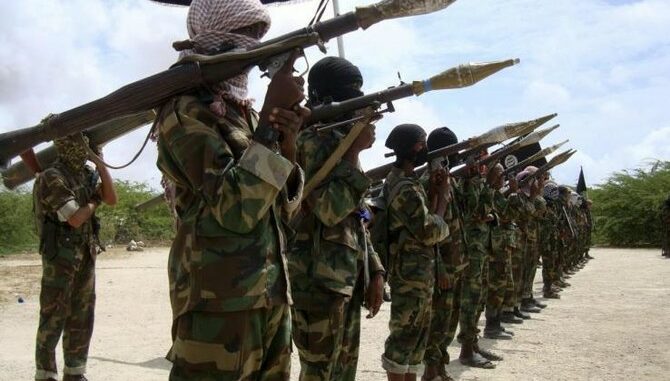
Al-Shabab militants captured the strategic central Somali town of Mahaas on Sunday (27 July), dealing a blow to the country’s fragile security gains and raising concerns about the sustainability of recent military efforts backed by the United States.
Residents reported that government troops and allied Ma’awisley militias withdrew following a series of suicide bombings and heavy gunfire. Al-Shabab quickly claimed control, and district officials confirmed casualties, including a provincial intelligence officer. Mahaas, located in Hiraan region, had been under federal control for over a decade and served as a forward base in offensives against al-Shabab. Its fall is a major setback for Somali forces and highlights ongoing challenges in coordinating national defense efforts.
The capture comes amid intensified U.S. military operations in Somalia. On Friday (25 July), U.S. Africa Command (AFRICOM) carried out airstrikes against al-Shabab near Sabiid in Lower Shabelle and launched a raid in northeastern Puntland, capturing Abdiweli Mohamed Yusuf, ISIS-Somalia’s finance chief. AFRICOM has conducted at least 53 airstrikes in Somalia this year, signaling increased U.S. involvement. However, reports suggest that Somali government forces are struggling to hold reclaimed territory, raising questions about the long-term impact of foreign military support. While U.S. operations continue to target top extremist figures, the fall of Mahaas underscores the enduring resilience of militant groups and the complexity of restoring stability across Somalia’s volatile regions.