
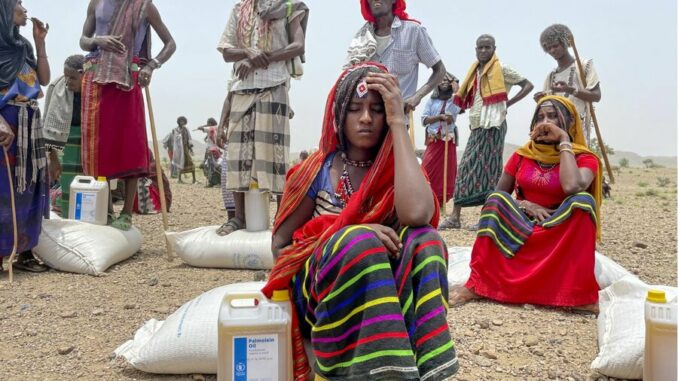
Despite a global decline in hunger for the third year in a row, food insecurity in Africa has worsened significantly, according to a new United Nations report.
The State of Food Security and Nutrition in the World 2025, released by five UN agencies, highlights stark regional disparities in progress toward ending hunger by 2030. Worldwide, an estimated 673 million people — 8.2% of the global population — faced hunger in 2024, down from 8.5% in 2023. Gains in South America and southern Asia, driven by improved agricultural productivity and social safety nets, contributed to the overall decline. However, Africa saw hunger rise to alarming levels, with over 307 million people undernourished and more than 1 billion unable to afford a healthy diet.
FAO Chief Economist Máximo Torero described the situation in Africa as “concerning,” stressing that “we must urgently reverse this trajectory.” He attributed the crisis to a combination of violent conflict, climate shocks, economic instability, and agricultural underperformance relative to population growth. Hunger now affects more than 20% of Africa’s population — double the global average. The report also warned of worsening conditions in Western Asia, with 12.7% of the population experiencing hunger. With nearly 60% of the world’s projected 512 million chronically undernourished people by 2030 expected to live in Africa, the UN urged urgent, coordinated global action to prevent further deterioration and meet sustainable development targets.