
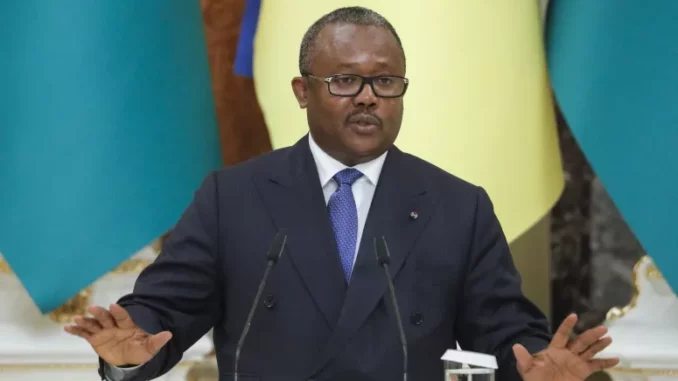
Vote counting is underway in Guinea-Bissau after citizens cast their ballots on Sunday in pivotal presidential and legislative elections, on November 23.
President Umaro Sissoco Embaló is seeking a second term in a nation long marred by coups and political upheaval. Analysts describe the contest as one of the most tightly fought in recent memory, with Embaló facing strong competition from Fernando Dias da Costa, a relatively unknown contender backed by influential former Prime Minister Domingos Simões Pereira. The exclusion of Pereira and his African Party for the Independence of Guinea and Cape Verde from the ballot — due to a disputed application deadline — has heightened tensions and raised concerns about the integrity of the process.
Nearly half of the country’s 2.2 million citizens are registered to vote in what observers say is one of the most contentious elections since independence. The vote takes place against a backdrop of uncertainty and institutional strain, with claims from the opposition that Embaló has overstayed his mandate, contested election timelines and a parliament dissolved since 2023 following an alleged coup attempt. Campaign rhetoric was heated, with candidates trading accusations of corruption, abuses of power and human rights violations. Embaló campaigned on infrastructure development, while Dias positioned himself as the candidate of stability and democratic renewal. As ballots are tallied, many citizens hope the outcome will usher in peace and economic relief for a country grappling with poverty, political volatility and a persistent reputation as a drug trafficking hub.