
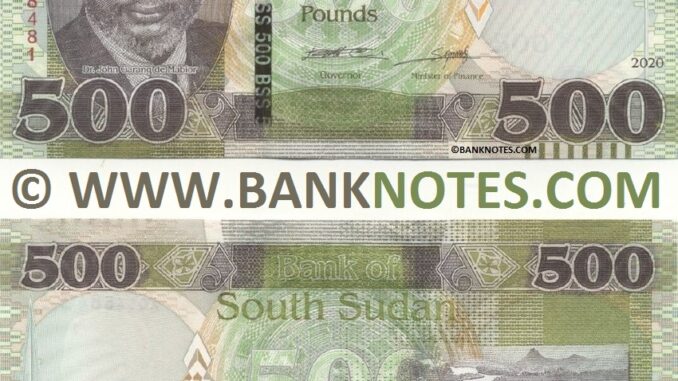
South Sudan’s parliament has raised concerns about the lack of transparency surrounding the country’s public debt after the Government allocated 842.4 billion South Sudanese pounds—about 9 percent of the proposed 2025/26 national budget—for debt servicing, without disclosing the total amount borrowed or how the loans were used.
Speaking during the second reading of the 2025/26 budget on Wednesday, the chairperson of parliament’s Finance and Planning Committee, Michael Ayuen, criticised the finance ministry for failing to clearly state the country’s total public debt and the purposes for which the loans were acquired. He described the lack of disclosure as alarming and warned it could undermine the country’s financial stability.
The International Monetary Fund had previously estimated South Sudan’s public debt at around $3.7 billion in 2023, with about two-thirds owed to external creditors and approximately $550 million owed to oil companies. However, no updated official figures have been made public for 2026.
Parliament’s Finance and Planning Committee has therefore urged the Minister of Finance and Planning to present full details of all loans and related resources to enable lawmakers to exercise effective oversight of the country’s finances.
The committee also flagged major irregularities in the implementation of the 2024/25 budget. Its review found that some government agencies overspent massively while others used only a small fraction of their approved allocations.
The Ministry of Petroleum overspent its budget by about 13,000 percent, the Ministry of Roads and Bridges by 7,000 percent, and the Ministry of Presidential Affairs by 5,000 percent.
Meanwhile, several institutions recorded extremely low spending levels, including the National Election Commission, which used only 0.2 percent of its allocation, and the National Bureau of Statistics, which spent just 0.5 percent, highlighting significant imbalances in government expenditure management.