
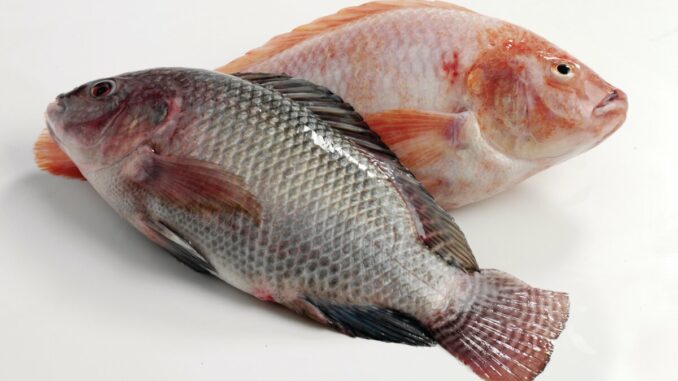
Angola currently produces around 35,000 tonnes of tilapia each year, reflecting the country’s growing investment in aquaculture and efforts to boost domestic fish production.
Officials from the fisheries sector have said on March 10, tilapia farming has expanded steadily across several provinces, supported by Government programmes aimed at strengthening food security and reducing dependence on imported fish.
The freshwater species, widely cultivated in ponds and reservoirs, has become one of the most important farmed fish in the country.
Authorities note that the increase in tilapia production is largely driven by the establishment of fish farms, hatcheries and training initiatives for local producers. These measures are intended to improve fish breeding techniques and increase output in both small-scale and commercial aquaculture operations.
The government has also encouraged private sector participation in fish farming, viewing aquaculture as a strategic sector capable of creating jobs, improving rural livelihoods and supplying affordable protein to the population.
Experts say Angola possesses significant potential for aquaculture because of its favourable climate and abundant inland water resources. With continued investment in infrastructure, technology and training, the country hopes to further expand fish production and strengthen the role of aquaculture in the national economy.