
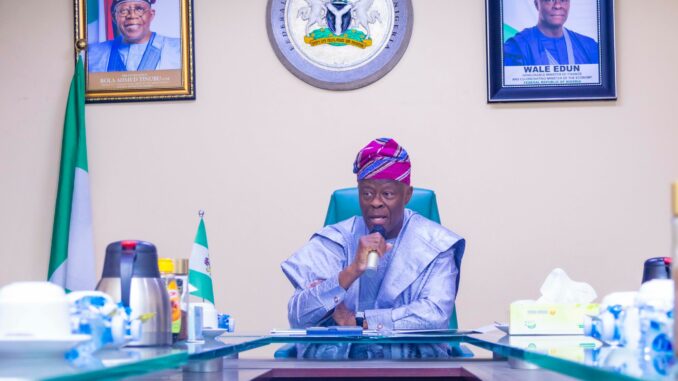
Nigeria says it will pursue stronger financial backing from the International Monetary Fund and the World Bank at this week’s Spring Meetings in Washington, as the ongoing Iran war drives up fuel prices and threatens economic reforms.
Finance Minister Wale Edun said on April 13 that while rising crude prices have boosted foreign exchange earnings, they are simultaneously intensifying inflation and increasing the cost of living. Petrol prices have surged by over 50% and diesel by more than 70% since the conflict began, placing strain on households and businesses.
The Government warned that these pressures could derail reforms introduced in 2023 under President Bola Tinubu, including subsidy removal, currency devaluation and tax changes. Despite inflation easing to 15.06% in February, down from about 33% in December 2024, renewed global shocks are reversing gains. Nigeria plans to advocate for fairer borrowing conditions and increased support for reforming economies.
Meanwhile, the National Assembly approved external borrowing plans on Tuesday, 31 March, allowing the government to raise at least $6 billion from international lenders to support the 2026 budget and infrastructure projects, including port rehabilitation in Lagos.