
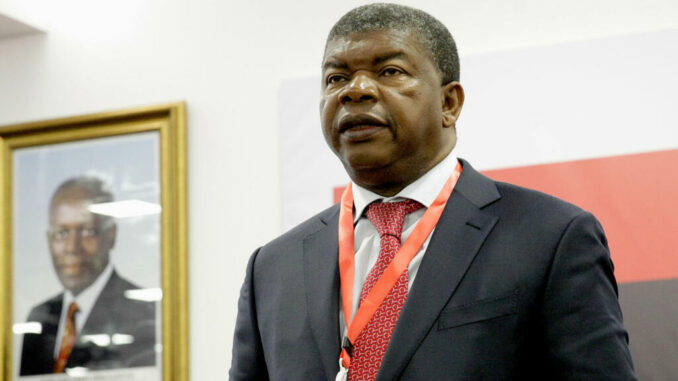
The Angolan Presidency is set to launch a social education programme intended to enhance access to education, reduce illiteracy, and improve the quality of teaching nationwide. The move was announced on Wednesday, October 15, during the state of the nation address by the Angolan Head of State, J. Lourenço.
The initiative will emphasise education in underserved and rural areas, and will involve constructing or rehabilitating schools, increasing the number of teachers, and ensuring curricula and educational materials meet international standards. It replaces or complements earlier efforts such as the “Expansão e Modernização do Sistema de Ensino” and aligns with broader government commitments to improve infrastructure, reduce classroom shortages, and expand school enrolment.
Officials see this programme as part of Angola’s larger strategy of social inclusion and human capital development, reinforcing past programmes like “Empoderamento da Rapariga e Aprendizagem para Todos” (Empowering Girls & Learning for All) and other special education interventions. The new measures are expected to be implemented over a multi-year time frame, with funding, legal instruments, and institutional coordination defined to ensure the programme reaches its intended coverage and delivers lasting improvement in educational outcomes.