
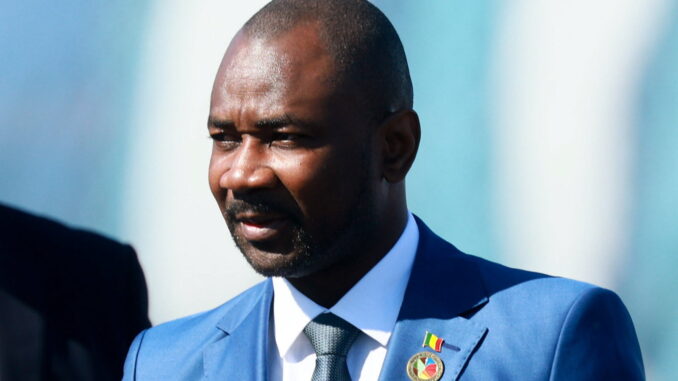
Mali’s military-led government is seeking to rekindle ties with the United States, courting both investment and security assistance amid a broader realignment in West Africa’s political landscape.
During a high-level visit to Bamako on 21-22 July, U.S. Deputy Assistant Secretary of State for West Africa, William Stevens, met with Malian Foreign Minister Abdoulaye Diop to discuss counterterrorism cooperation and economic opportunities. The talks follow a second recent meeting between U.S. and Malian officials, signaling renewed American engagement in a region where its security footprint has recently shrunk. “We discussed the fight against armed terrorist groups supported by foreign state sponsors,” Diop said, while also highlighting Mali’s improved business climate and interest in attracting U.S. private investment.
Mali is part of a corridor of military-led governments stretching from Guinea to Sudan, where former Western allies have increasingly pivoted toward Russia. Following the withdrawal of U.S. troops from Chad and the closure of drone bases in Niger, the region has seen growing influence from Russian mercenaries and capital, including a new Russian-funded gold refinery near Bamako. With Islamist militants expanding operations toward West Africa’s coast, U.S. military focus has shifted to countries like Ghana and Ivory Coast. Still, Washington’s outreach to Mali suggests a cautious effort to balance security concerns with diplomatic re-engagement in a volatile but strategically vital region.