
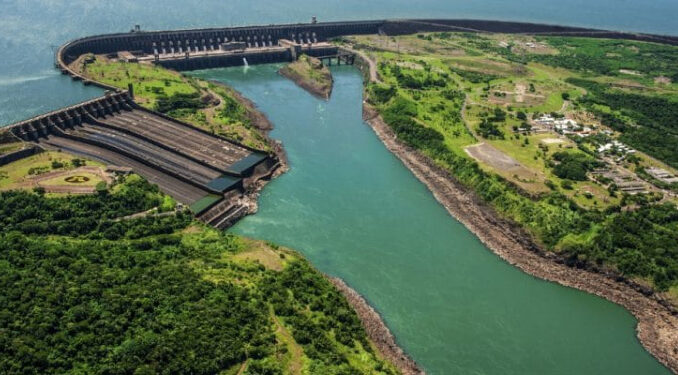
Mozambique has secured World Bank backing for the $6 billion Mphanda Nkuwa hydroelectric plant, southern Africa’s largest power project in half a century.
Located on the Zambezi River, the plant is expected to generate 1,500 megawatts when it begins operations in 2031, significantly boosting electricity access across the region.
The project, developed by TotalEnergies, Électricité de France, and Hidroeléctrica de Cahora Bassa, reflects a shift towards private sector–driven investment in Africa’s energy sector.
The initiative comes at a time when Mozambique, one of the world’s poorest nations, is striving to provide universal electricity access by 2030. National electrification has already improved, with access nearly doubling from 31% in 2018 to 60% in 2024, aided by both grid expansion and solar-powered off-grid solutions. The World Bank estimates that 85% of people globally without electricity live in sub-Saharan Africa, underscoring the scale of the challenge.
While the project promises economic gains through regional exports to South Africa and Zimbabwe, experts warn of Mozambique’s rising debt burden and the need to complement mega-dams with smaller, decentralised solutions. With public debt at $17 billion and an Islamist insurgency still affecting energy projects in the north, questions remain about sustainability. Still, for many Mozambicans, the extension of power lines signals hope for livelihoods and local enterprise, as communities prepare for the long-awaited arrival of electricity.