
After a decade of structural reforms and investment, Morocco’s southern provinces enter a new era of economic dynamism reinforced by UN Security Council Resolution 2797. The resolution explicitly recognizes the autonomy plan under Moroccan Sovereignty as the serious, credible and realistic basis for resolving the Sahara dispute, acting as a catalyst for regional economy while legitimizing years of development efforts.
Since launching the New Development Model for Southern Provinces in 2015, the region has established itself as a strategic hub linking Morocco to Africa. Public and private investments estimated at nearly 100 billion dirhams have transformed infrastructure, strengthened connectivity and developed local skills, creating favorable environments for attracting foreign investors.
This momentum has doubled regional GDP from 15 to 30 billion dirhams over ten years, achieving 7% average annual growth—exceeding national averages. Job creation remains tangible, with nearly 5,000 positions declared in the Laâyoune-Sakia El Hamra region. Authorities target an additional 6,000 jobs driven by high-value projects including the Phosboucraa program.
Infrastructure modernization constitutes another transformation pillar. The road network exceeding 4,000 kilometers, particularly the Tiznit-Dakhla expressway, has considerably reduced travel times and opened new economic integration opportunities for over 2.5 million inhabitants.
Resolution 2797’s impact extends beyond politics. International recognition of Moroccan autonomy for southern provinces strengthens investor confidence and stimulates new players in strategic sectors including renewable energy, logistics, sustainable agriculture and green industry. Autonomy now enables regions to design projects adapted to specific assets—marine resources, climatic conditions, or geostrategic position.
Major ongoing projects gain unprecedented economic resonance. Dakhla Atlantic Port, representing 13 billion dirhams investment, positions itself as a logistics and maritime pivot opening toward Africa. Green hydrogen and renewable energy projects, representing over $36 billion, inscribe the region in global energy transition. Solar and wind parks integrated into the 2025-2030 electrical plan should generate over 1,400 MW, placing southern provinces at industrial innovation and decarbonization forefront.
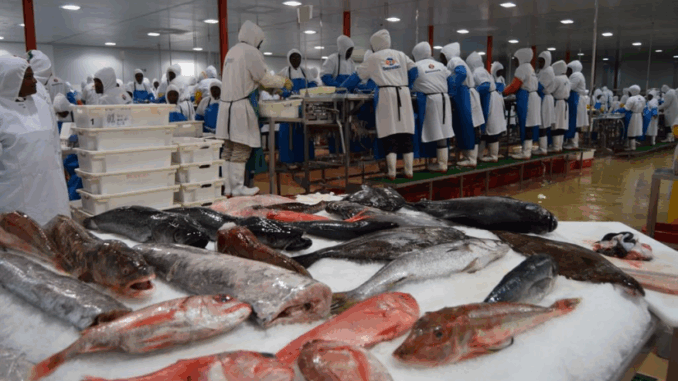
Agriculture and fishing modernization efforts remain equally visible. Fifty agricultural projects representing nearly five billion dirhams aim to strengthen food security and optimize water resource management through pioneering infrastructure like Dakhla’s desalination plant. The fishing sector also benefits from renewed momentum through port modernization and industrial fishing valorization.
UN resolution adoption also marks steps toward reinforced regional governance. Local authorities now possess enlarged maneuvering room to manage resources, develop partnerships and innovate in public policies, consolidating human capital through training and research.