
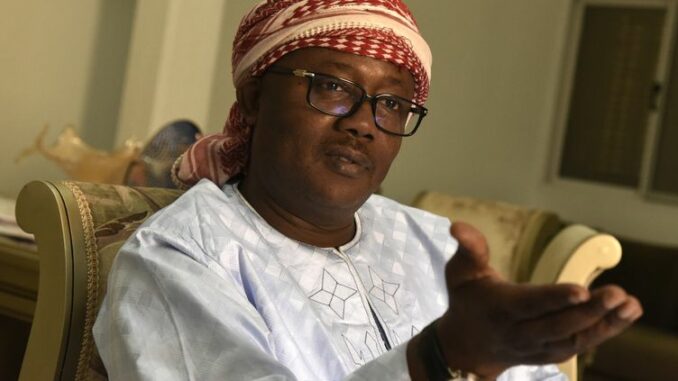
Soldiers in Guinea-Bissau appeared on State television on Wednesday, November 26, declaring that they had seized power, just three days after national elections marked by rival claims of victory from President Umaro Sissoco Embaló and opposition candidate Fernando Dias.
Citing what they called an attempt to “manipulate electoral results” involving national politicians and a “well-known drug lord,” the military announced the immediate removal of the president, the suspension of all state institutions, the shutdown of media outlets and the closure of borders. Embaló told France 24 that he had been arrested in what he described as a coup led by the army chief of staff, though he said he was not harmed.
The country, long marred by political instability and drug trafficking, witnessed gunfire near the presidential palace and the National Electoral Commission as soldiers sealed off key institutions and reportedly detained the commission’s chief. Dias and Domingos Simões Pereira, leader of the main opposition party, were also arrested.
International bodies swiftly condemned the takeover. The United Nations expressed “deep concern,” urging restraint and a return to constitutional order, while the African Union and ECOWAS denounced the military action as a direct assault on the democratic process and demanded the immediate release of detained officials.
Domestic civil society groups, however, accused Embaló and the army of orchestrating a “simulated coup” to block the provisional election results due on 27 November, alleging an attempt to extend his tenure despite a long-running legitimacy dispute over the expiry of his mandate. With West Africa already facing a surge of military takeovers since 2020 — including in Mali, Niger and Burkina Faso — the events in Guinea-Bissau underscore the region’s deepening vulnerability to political upheaval.