
ECOWAS made little progress in its bid to persuade Guinea-Bissau’s coup leaders to restore constitutional rule, during a visit on Monday, December 1st, though both sides agreed to resume talks on 14 December.
The delegation, led by Sierra Leone’s President Julius Maada Bio, pressed the military junta — which seized power days after disputed presidential elections — to reverse course. While ECOWAS condemned the coup and suspended Guinea-Bissau from its decision-making bodies, the junta defended its actions as necessary to re-establish “order and security”.
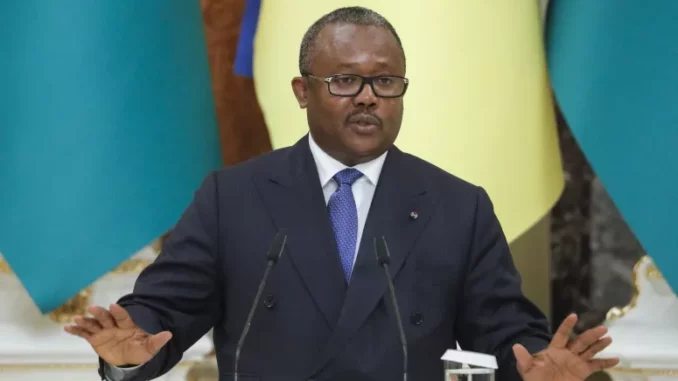
The mission also met the National Electoral Commission, which said it could not announce results because it had not received full polling reports. Meanwhile, President Umaro Sissoco Embaló fled to Brazzaville after declaring he had been arrested, and the military installed former army chief Gen. Horta Inta-a to lead a one-year transition. A 28-member transitional government has since been formed, largely comprising allies of the ousted President.
Regional and international actors have intensified their interventions as the crisis unfolds. Nigeria granted protection to opposition candidate Fernando Dias da Costa following threats to his life and requested ECOWAS troops to secure him.
The United Nations also voiced alarm, with Secretary-General António Guterres condemning the overthrow of an elected government as a violation of democratic norms and calling for the freeing of detained officials. Guinea-Bissau’s long history of coups and its role as a trafficking hub continue to shape its instability, posing a formidable challenge for ECOWAS — an organisation that has struggled in recent years to reverse a surge of military takeovers across West Africa.