
The United Nations General Assembly on Wednesday, March 25, 2026, adopted a landmark resolution declaring the trafficking of enslaved Africans “the gravest crime against humanity” and calling for reparations as a pathway to redress historical injustices.
The motion also urged the unconditional return of cultural artefacts—including artworks, archives and monuments—to their countries of origin, signalling a broader moral and cultural reckoning.
The resolution passed with 123 votes in favour, three against and 52 abstentions. Argentina, Israel and the United States opposed the measure, while the United Kingdom and European Union member states abstained. Although General Assembly resolutions are not legally binding, the vote reflects a significant shift in global sentiment and reinforces growing calls for accountability and restorative justice.
Ahead of the vote, U.S. deputy ambassador Dan Negrea stated that while Washington condemns slavery, it does not recognise a legal obligation for reparations tied to historical acts that were not illegal under international law at the time. He also objected to language ranking atrocities, arguing that such comparisons risk diminishing the suffering of victims of other crimes against humanity.
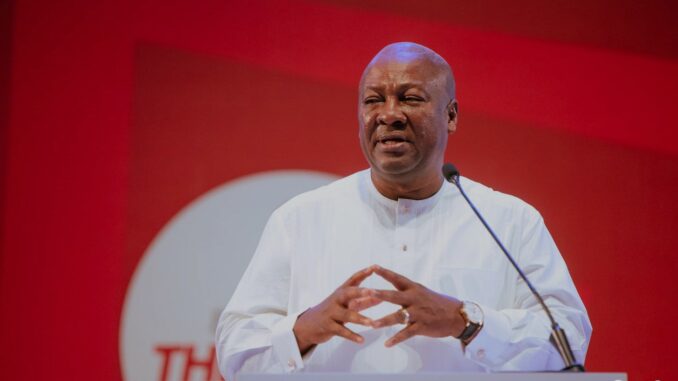
Ghana’s President John Dramani Mahama, a leading advocate of the resolution, described the moment as a collective moral duty to confront history and pursue healing. Speaking on March 25, 2026—coinciding with the International Day of Remembrance of the Victims of Slavery—he emphasised that the decision honours the estimated 13 million Africans who endured centuries of enslavement and ensures their suffering is neither forgotten nor diminished.
The resolution further calls on member states to engage in dialogue on reparatory justice, including formal apologies, compensation, institutional reforms and guarantees against recurrence. It also encourages collaboration among regional bodies such as the African Union and Caribbean Community to advance education, reconciliation and policy frameworks addressing systemic racism and the enduring legacy of the transatlantic slave trade.