
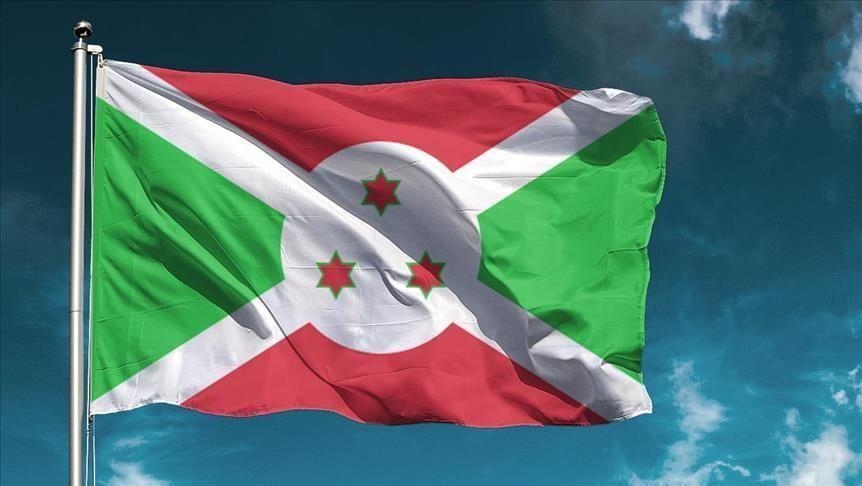
Hundreds of Burundian nationals gathered at their country’s Embassy in Nairobi on Monday, September 7, 2026, seeking passports and travel documents as Kenya began enforcing restrictions on foreigners operating small businesses without the required permits.
The development followed President William Ruto’s September 2, 2026 directive ordering foreigners engaged in hawking and small-scale retail to close their businesses from September 7. He said the measure was intended to expand economic opportunities for Kenyans.
The Government has, however, clarified that the directive is not a blanket ban on foreign traders. Foreign Affairs Principal Secretary Korir Sing’Oei said on Sunday, September 6, that foreigners with valid work permits and business licences remained legally entitled to operate in Kenya.
Kenya’s Trade Ministry also explained that visa-free entry or a tourist visa did not automatically authorise foreigners to work or conduct business. It said enforcement would comply with Kenyan law and the country’s obligations under the East African Community.
An official at the Burundian Embassy described the issuance of travel documents as a routine consular service unrelated to the crackdown. Police also warned Kenyans against harassing foreigners, saying no attacks or large-scale departures involving Burundians, Congolese or Rwandans had been officially reported.
Despite the assurances, the policy has heightened concerns about anti-foreigner sentiment and competition for jobs and small-scale business opportunities. The development has drawn comparisons with Tanzania’s 2025 restrictions on non-citizens participating in several small businesses.