
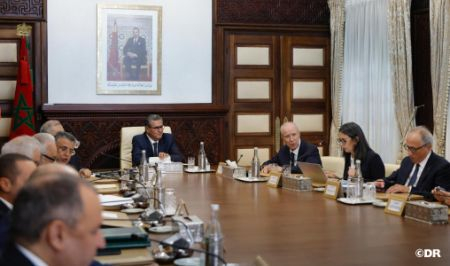
Morocco’s government has unveiled a comprehensive 2026 investment plan totaling 380 billion dirhams, representing a 12% increase focused on infrastructure development and regional equity ahead of the 2030 FIFA World Cup. The unprecedented budget reflects a strategic shift toward balanced territorial development and enhanced public services.
The investment strategy prioritizes education and healthcare infrastructure across all twelve regions, addressing longstanding disparities in service delivery. The government will create over 27,000 new positions in health and education sectors, while launching construction of university hospitals in Agadir and Laayoune and completing the Ibn Sina Hospital renovation in Rabat.
Each region will receive tailored investments addressing specific needs. Tanger-Tétouan-Al Hoceima will benefit from two major dam projects—Dar Maimoune and Ali Thilate—totaling 4.4 billion dirhams, alongside construction of 282 preschool classrooms. The Oriental region will see development of a 150-bed provincial hospital in Figuig and significant road infrastructure improvements.
Casablanca-Settat, Morocco’s economic powerhouse, will undergo substantial healthcare modernization with reconstruction of provincial hospitals in Settat and Moulay Rachid, plus establishment of the Zenata integrated logistics platform. Meanwhile, Fès-Meknès will receive investments in agricultural infrastructure, including a modern produce commercialization platform and artisanal zone enhancements.
These allocations align with King Mohammed VI’s “Emerging Morocco” vision, which positions human capital development as the primary driver for economic and social progress. The strategy combines ambitious spending with fiscal discipline, targeting a deficit reduction to 3.5% of GDP.
Economic growth projections remain robust at 4.6% for 2026, despite global market uncertainties and anticipated average agricultural yields. This resilience reflects Morocco’s successful economic diversification and strengthened regional development frameworks implemented through advanced regionalization policies.