
Ethiopia has formally called on Eritrea to withdraw troops it claims are operating inside Ethiopian territory, warning that recent developments point to a dangerous escalation in tensions between the two neighbours.
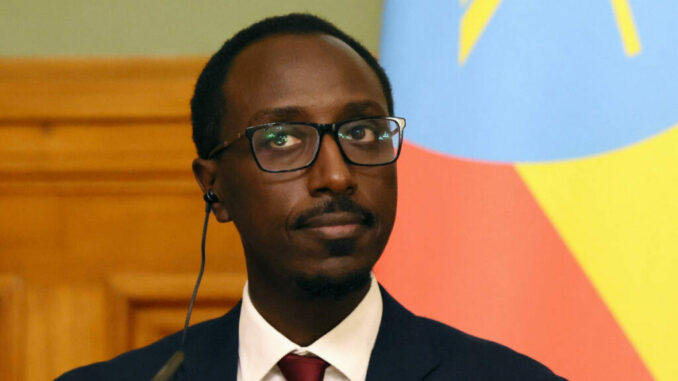
The demand was made in a letter from Ethiopia’s Foreign Minister, Gedion Timothewos, to his Eritrean counterpart.
In the letter, Ethiopia accused Eritrea of “outright aggression”, alleging that Eritrean forces have crossed into Ethiopia’s north-eastern border areas and are conducting joint military manoeuvres with rebel groups in the north-west, while also supplying them with weapons.
Eritrea has not commented on the latest accusations but has previously denied that its troops crossed the border. Relations between the two countries have long been fraught. Ethiopia and Eritrea fought a devastating border war between 1998 and 2000 that killed more than 100,000 people.
Although relations thawed in 2018 after Ethiopian Prime Minister Abiy Ahmed visited Asmara—a move that later earned him the Nobel Peace Prize—tensions have since resurfaced.
The current strain is compounded by Ethiopia’s renewed push for access to the sea, which Mr Abiy has described as an existential issue. In his letter, the foreign minister suggested that talks on maritime access, including through Eritrea’s port of Assab, could begin if Eritrean troops withdrew.
The deterioration in ties follows shifting alliances after Ethiopia’s 2020–2022 civil war in Tigray. While Eritrea previously backed Ethiopia’s federal forces, Addis Ababa now accuses Asmara of supporting Tigrayan rebels opposed to the peace deal. Eritrea has rejected these claims, accusing Ethiopia of
fabricating pretexts for war.
The escalating rhetoric has heightened fears of a renewed conflict between the two countries, raising concerns across the Horn of Africa about regional stability and the human cost of another war.