
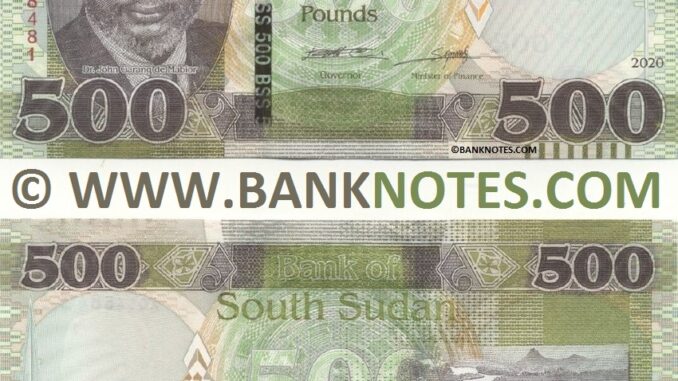
South Sudan’s government has unveiled a draft budget for the 2025/26 financial year, projecting total expenditure of 8.58 trillion SSP against anticipated revenues of 7.01 trillion SSP, creating a financing gap of 1.57 trillion SSP, or 8% of GDP.
Finance Minister Bak Barnaba Chol told parliament the deficit will largely be covered through new borrowing and adjustments to oil revenue projections, highlighting the country’s continued reliance on debt and volatile crude income.
The government plans to source funds from external commercial loans, concessional financing, and the IMF’s Food Shock Window, while prioritising low-cost borrowing. Total debt servicing is projected at $187.3 million (SSP 842.4 billion), with principal repayments of $178.5 million (SSP 802.85 billion) mainly
owed to commercial creditors, including Sahara Energy and Nasdec.
Bilateral debt, primarily to China, totals $11.45 million, while multilateral lenders are due about $630,000. The budget adopts an “expansionary fiscal stance” to support economic recovery, targeting 5.3% real GDP growth.
It also reveals persistent vulnerabilities, such as heavy dependence on oil revenues, expected to constitute 74% of total income, and risks from regional instability. More than half of planned expenditure will go towards public administration, infrastructure, and security.
South Sudan continues to grapple with economic instability a decade after independence, Following years of conflict, oil production disruptions, and limited access to international financing.