
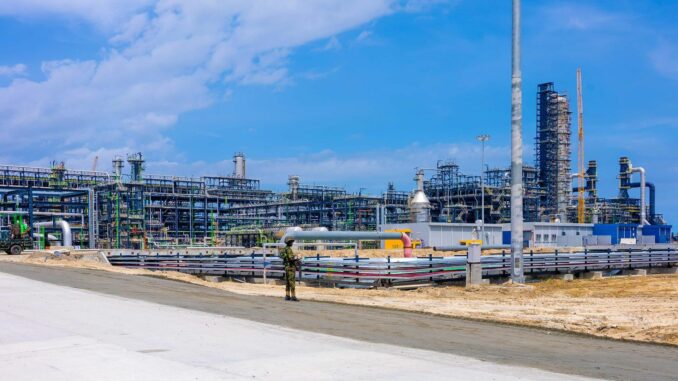
Nigeria is considering changes to crude allocation and pricing rules to improve access to feedstock for local refineries, including the 650,000-barrel-per-day Dangote Refinery.
The Crude Oil Refinery-owners Association of Nigeria (CORAN) said the proposed reforms will be discussed this week as regulators review the country’s domestic crude supply obligation, which requires oil producers to supply local refineries before exporting.
Dangote Refinery has previously said Nigeria’s pricing structure adds $3 to $4 per barrel to its crude costs because purchases are routed through producers’ trading arms. Analysts have identified pricing, rather than physical availability, as a major constraint on domestic crude transactions.
Among the proposals is allowing producers linked to international oil companies to deliver crude directly to nearby refineries, with volumes reconciled later at terminals. Another proposal would give refiners lifting crude directly from production facilities discounts reflecting freight and handling costs included in Brent-linked pricing.
CORAN spokesperson Eche Idoko described the proposals as a potential “win-win” for producers and refiners. Data released by the Nigerian Upstream Regulatory Commission (NUPRC) on Monday showed producer compliance with the domestic crude supply framework had risen to more than 90%, from below 43% in the previous quarter.
However, the NUPRC said implementation of the proposed changes would require solutions to differences in crude quality and adjustments to pricing. The reforms could help reduce supply constraints that have periodically limited operations at Dangote, Africa’s largest refinery, which began operations in January 2024.