
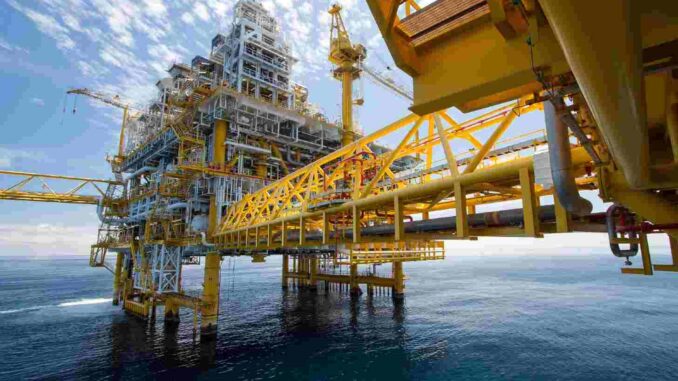
The International Monetary Fund has advised Angola and other oil-exporting countries in Sub-Saharan Africa to manage extraordinary oil revenues cautiously amid global economic uncertainty.
Speaking in Luanda on Thursday, May 7 during the presentation of the IMF’s Regional Economic Outlook report, Antonio David urged Governments to use surplus earnings from high crude oil prices to strengthen foreign reserves and rebuild economic buffers.
The IMF also recommended maintaining tight monetary policies in countries facing high inflation and continuing fiscal consolidation efforts to ensure debt sustainability, particularly among Portuguese-speaking African nations. The institution further called for targeted social protection measures to support vulnerable populations in countries with limited fiscal capacity.
Antonio David warned that a prolonged conflict in the Middle East until 2027 could reduce regional economic growth by 0.6 percentage points and push inflation more than two percentage points above current projections. He added that rising oil and fertilizer prices linked to global conflicts could worsen food insecurity across the region.
Despite global volatility, the IMF noted that oil exporters such as Angola and the Democratic Republic of the Congo have maintained access to international capital markets, collectively issuing about 9.6 billion U.S. dollars in Eurobonds in early 2026.
The IMF projects Sub-Saharan Africa’s economy to grow by 4.3 per cent in 2026, slightly below the 4.5 per cent recorded in 2025 due to external shocks and geopolitical tensions.