
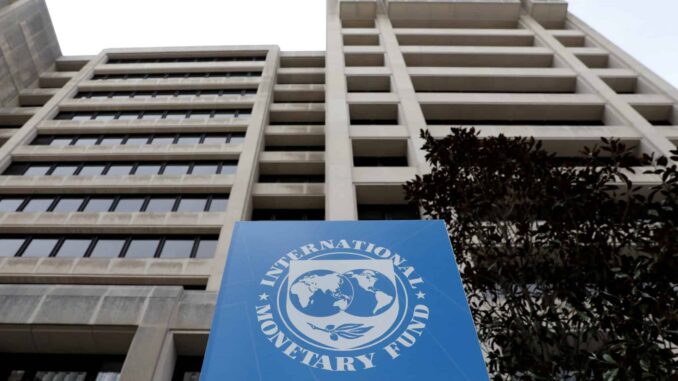
The International Monetary Fund (IMF) has reached a staff-level agreement with the Togolese authorities on the combined third and fourth reviews of the country’s economic reform programme under the Extended Credit Facility (ECF) arrangement.
The agreement, reached after discussions held in Washington and Lomé between 11–19 May 2026, is subject to approval by the IMF Executive Board. Once approved, Togo will gain access to approximately SDR 80.74 million (about USD 110.8 million).
The IMF said programme performance has been broadly satisfactory, with most quantitative performance criteria met and significant progress made on structural reforms, including improvements in public financial management, fiscal transparency and oversight of state-owned enterprises.
The Fund noted that while the Togolese economy has shown resilience—registering around 6 per cent growth in 2025—the outlook for 2026 is expected to soften slightly due to global pressures, including geopolitical tensions linked to the Middle East and associated energy price shocks.
According to the IMF, inflationary pressures remain a concern, alongside fiscal and external vulnerabilities, security risks in the wider region, and climate-related shocks. It stressed the need for continued fiscal discipline to safeguard debt sustainability while protecting vulnerable populations.
The programme aims to reduce Togo’s fiscal deficit to 3 per cent of GDP by 2027, supported by enhanced revenue mobilization, medium-term fiscal reforms, and improved financial sector stability. The IMF also highlighted the importance of structural reforms to strengthen governance, improve the business environment, and address inefficiencies in State-owned enterprises, particularly in the energy sector, which remains a key source of fiscal pressure.
The Fund commended the Togolese authorities for maintaining social and pro-poor spending targets, describing it as evidence of commitment to inclusive growth during the reform process.
Final approval by the IMF Executive Board will unlock further disbursements under the Programme, which aims to support macroeconomic stability and long-term development.