
Sudan’s National Chamber of Importers has criticized the Government over rising inflation and the continued depreciation of the Sudanese pound, following a decree issued in April 2026 banning the import of more than 40 luxury and non-essential goods.
The transitional cabinet introduced Decree No. 174 of 2026 in an effort to curb speculation in parallel foreign exchange markets, strengthen local production, and ease pressure on the economy. However, business leaders argue the policy has had the opposite effect.
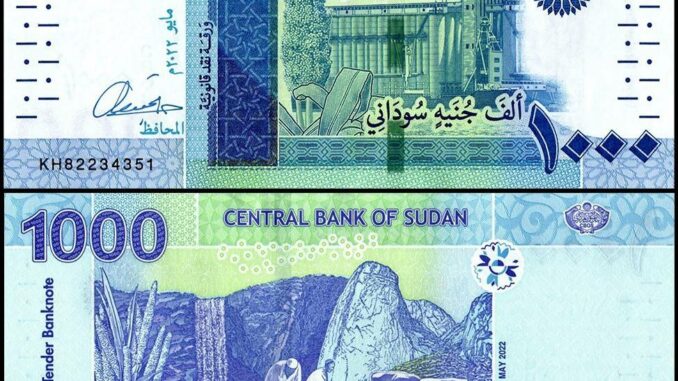
On Wednesday, the Sudanese pound fell to a record low, trading at about 4,700 per US dollar, marking its steepest depreciation yet. The decline is being driven by the ongoing conflict, weakening export earnings and a widening import bill.
Al-Sadiq Jalal Al-Din Salih, head of the National Chamber of Importers, said the ban has failed to stabilise the currency and instead has intensified inflationary pressures. He argued that the policy overlooks structural causes of the crisis, including market speculation and rising demand for foreign currency.
He warned that restricting imports would reduce competition, create supply shortages and encourage monopolistic practices as some traders exit the market. According to him, the banned goods accounted for around 11% of imports in 2025 but contributed more than a third of customs and tax revenue, potentially worsening fiscal pressures.
Salih also raised concerns about rising prices, citing sharp increases in essential commodities since the policy took effect, including rice, ceramics, cement and processed foods. He attributed the trend partly to panic buying and stockpiling amid fears of shortages.
He further cautioned that tighter restrictions could fuel smuggling and informal cross-border trade, given Sudan’s porous borders and high demand for imported goods. Despite government justification that the ban is part of broader efforts to stabilize the economy and address structural imbalances, importers are urging a policy reversal and a shift towards measures targeting deeper macroeconomic challenges.