
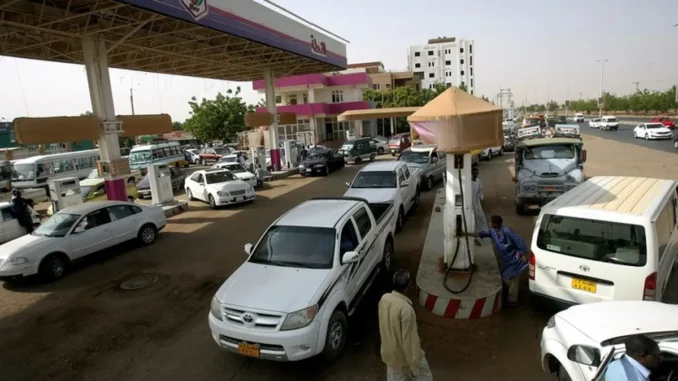
Long queues formed at petrol stations across Khartoum and other parts of Sudan on Sunday, September 13, 2026, as increased demand, a weakening local currency and higher import duties triggered fuel shortages and price increases.
Fuel consumption has risen sharply following the return of displaced residents and the gradual resumption of commercial activities in parts of Khartoum, putting pressure on available supplies.
Motorists reported waiting for hours for petrol and diesel, while disruptions to the widely used Bankak mobile banking application compounded the situation as many consumers rely on digital payments amid a shortage of cash.
Khartoum State Governor Ahmed Osman Hamza met Oil Ministry Undersecretary Ali Abdelrahman on Sunday to coordinate emergency fuel deliveries and distribution to densely populated areas. Abdelrahman said new fuel shipments had arrived at Red Sea ports and trucks were transporting supplies to Khartoum.
Authorities attributed supply delays partly to rising global prices and the depreciation of the Sudanese pound, which has increased import costs. The shortages coincided with new price increases after authorities raised the customs exchange rate used to calculate import duties by nearly 9 per cent to 4,346.65 Sudanese pounds per US dollar.
In Kassala State, petrol prices increased by more than 20 per cent to 8,048 Sudanese pounds per litre, while White Nile State raised the price of a gallon to 38,805 pounds. The fuel crisis risks further increasing transport and food costs for Sudanese households already facing severe economic pressures after more than three years of conflict.