
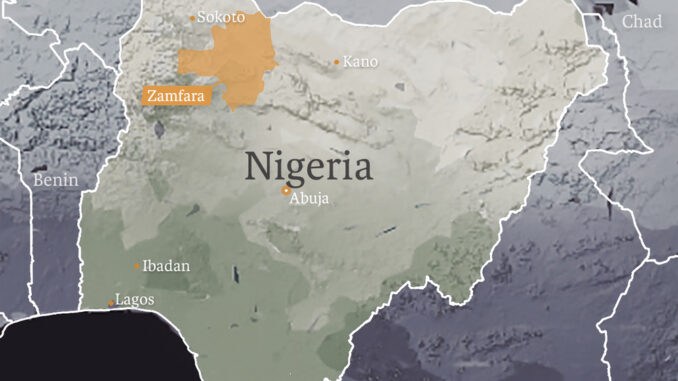
The African Union and the Somalia on Monday, February 23, strongly condemned a deadly assault in Nigeria’s northwestern Zamfara state that left at least 50 civilians dead and several women and children abducted.
In a statement, AU Commission Chairperson, Mahmoud Ali Youssouf, expressed full solidarity with the Nigerian federal Government and its citizens, offering heartfelt condolences to the bereaved families.
The continental body unequivocally rejected terrorism and violent extremism targeting civilians, particularly women and children, describing such acts as grave violations of human rights and serious threats to peace, security and stability.
Youssouf called for the “immediate, safe and unconditional” release of all abducted women and children and urged strengthened, coordinated efforts to protect vulnerable communities and prevent further atrocities. He reaffirmed the AU’s unwavering support for Nigeria’s ongoing efforts to confront insecurity and restore durable peace.
In a separate statement, Somalia’s Foreign Ministry conveyed its solidarity with Nigeria and extended condolences to the victims’ families. Mogadishu also demanded the “immediate and unconditional” release of all abductees and pledged support for efforts to bring the perpetrators to justice, stressing that Africa must remain united in the fight against terrorism and in the protection of civilians.
The attack, reportedly carried out by armed groups locally described as bandits, began on Thursday night and continued into Friday morning. Gunmen riding motorcycles set fire to buildings and opened fire on residents of the village of Tungan Dutse as they attempted to flee.
Nigeria continues to grapple with entrenched insecurity, particularly in the northwest where Zamfara state is located. The region has endured persistent banditry, kidnappings and killings, displacing thousands and leaving communities exposed to recurring violence.
The Nigerian authorities have deployed troops and intensified collaboration with international partners, including the United States, to enhance technical capacity and intelligence-sharing. Despite these measures, the government remains challenged by overlapping threats from armed criminal networks and insurgent groups operating across multiple fronts.