
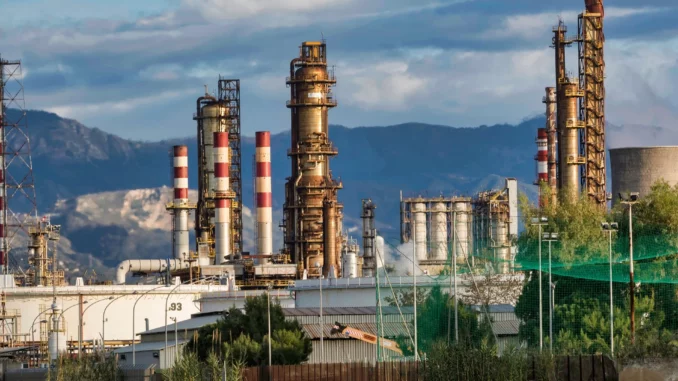
Nigeria’s richest businessman, Aliko Dangote, has accused petroleum regulators of facilitating cheap fuel imports that, he says, threaten local refineries, jobs and the country’s long-term energy security, and has called for a formal inquiry into their conduct.
Speaking at his 650,000-barrel-per-day refinery in Lagos, Dangote said continued fuel imports were being used to “checkmate domestic potential”, exporting jobs and value while Nigeria struggles to industrialise.
He urged an investigation into the Nigerian Midstream and Downstream Petroleum Regulatory Authority (NMDPRA), which he accused of policies that weaken local production.
The regulator has pushed back, arguing that Dangote’s refinery is seeking a monopoly and that its output cannot meet Nigeria’s daily fuel demand of about 55 million litres.
Last month, the NMDPRA advised the president against banning refined fuel imports on the grounds of insufficient local supply. Dangote disputes this, accusing the authority of misrepresenting his refinery’s capacity by focusing on offtake figures rather than actual production. He also said the refinery has struggled to secure sufficient domestic crude, alleging that regulators have failed to enforce rules requiring crude supply to local refiners before exports. As a result, the facility imports about 100 million barrels of crude annually, a figure expected to double with planned expansion amid limited local supply.
Despite regulatory headwinds, Dangote said the refinery would press ahead with expansion plans, describing the investment as “too big to fail”.
He also reiterated intentions to list the company on the Nigerian stock exchange and to pay dividends in US dollars, positioning the refinery as a national asset in which ordinary Nigerians can share. Nigeria, Africa’s largest oil producer, has long relied on imported fuel due to decades of underperforming state refineries, a structural gap Dangote’s project was designed to close.