
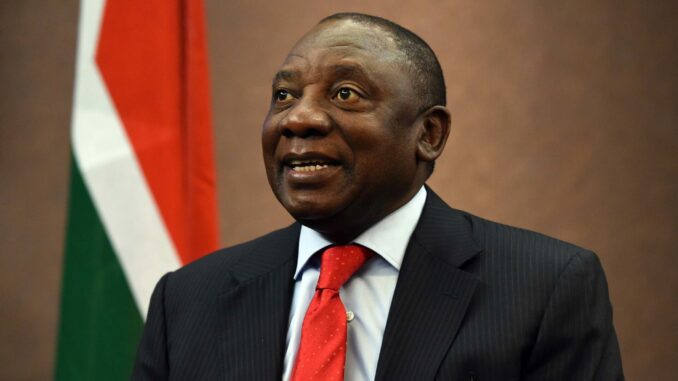
President Cyril Ramaphosa says South Africa will intensify efforts to grow the economy, create jobs and attract investment despite rising global uncertainty threatening recovery. He made the remarks on Tuesday, June 2, 2026, while delivering the Presidency Budget Vote in the National Assembly.
He said the Presidency remains focused on inclusive growth, poverty reduction, lowering the cost of living and building a capable and ethical state. Ramaphosa noted that the economy is showing signs of recovery after years of difficulty, citing improved macroeconomic indicators, stronger tax revenues, stabilising public debt and a positive shift in credit outlook, including upgrades by Moody’s and S&P.
He highlighted progress in the national investment drive, pointing to commitments worth over R890 billion secured at the 6th South Africa Investment Conference in March. He added that domestic investor confidence is helping to attract foreign investment.
The President stressed that economic growth must translate into jobs and improved living standards, noting a major infrastructure programme worth R1 trillion over the next three years covering roads, energy, schools, hospitals and transport systems.
He also cited reforms aimed at protecting jobs in struggling industries such as automotive, steel and cement, alongside improvements in energy supply, including over a year without load shedding and renewed stability at Eskom. Logistics reforms at Transnet were also highlighted as easing bottlenecks in key sectors.
Agriculture recorded an 11% rise in export earnings between January and March this year, while tourism reached a record 10.5 million international arrivals last year. Land reform efforts were also announced to expand ownership for black farmers through the release of land with title deeds.
However, Ramaphosa warned that escalating conflict in the Middle East, including tensions involving the United States, Israel and Iran, could trigger a global oil crisis, pushing up inflation and the cost of living. He cautioned that job creation remains under pressure despite investment gains, stressing the urgency of accelerating economic reforms to support growth and employment.