
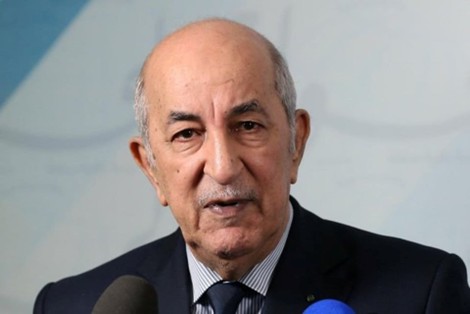
The author calls on Algeria to “play it straight” in the Sahel security crisis, echoing an expression used by Emmanuel Macron. He argues that Algiers maintains an ambiguous stance toward terrorism in the Sahel, alternately fueling and restraining tensions, and recalls that the country has historically been linked to the rise of religious terrorism in the region since the 1990s.
He analyzes the recent attacks carried out by the alliance between terrorist groups (JNIM) and Tuareg rebels (FLA), placing them in a tense political context: the rupture between Bamako and the Polisario Front, the activities of Malian opposition figures operating from Algeria, and internal political realignments. Mali shares borders with several countries, but Algeria is singled out as the only neighbor with alleged ties to certain rebel groups.
Relations between Bamako and Algiers are particularly strained: border closures, a military incident involving a Malian drone, and a complaint filed with the International Court of Justice. Despite this, Algeria has strengthened its ties with other Sahelian countries, which is interpreted as a strategy of regional influence, or even an attempt to encircle Mali.
Although no formal evidence confirms Algerian support for the rebels, the author notes a correlation between diplomatic tensions and violence on the ground. He also mentions the release of terrorists by Bamako as part of a truce that was quickly broken, suggesting the existence of external backers coordinating armed groups.
Algeria’s hosting of Malian opposition figures, such as Imam Dicko, reinforces suspicions of interference. The Malian junta’s denunciation of the Algiers Accords is also seen as a factor aggravating tensions.
Domestically, Mali is weakened by economic difficulties, energy shortages, and regional isolation, increasing the risk of social unrest. The alliance between rebel and terrorist groups is considered extremely dangerous, raising fears that Mali could become a sanctuary similar to Afghanistan or post-Gaddafi Libya.
Such a development would have serious consequences for the entire region: the spread of insecurity, destabilization of neighboring countries (notably Niger and Burkina Faso), increased migration to Europe, and the expansion of illicit trafficking.
In light of these risks, the author calls for an urgent response from ECOWAS member states and stronger regional cooperation, especially after the weakening of the G5 Sahel. He stresses the need for African countries to manage their own security without foreign interference, through a sincere continental alliance against terrorism, separatism, and crime.